Introduction
Inflation has eased compared to its peak levels in recent years, but grocery prices remain a concern for many American households. Even when overall inflation slows, food prices often adjust at a different pace.
So why are grocery bills still high in 2026, and what can consumers expect moving forward?
Why Grocery Prices React Differently to Inflation
Food prices are influenced by several unique factors:
- Transportation costs
- Energy prices
- Supply chain disruptions
- Agricultural conditions
- Global commodity markets
Unlike electronics or durable goods, food is perishable and frequently purchased, which makes price changes more noticeable to consumers.
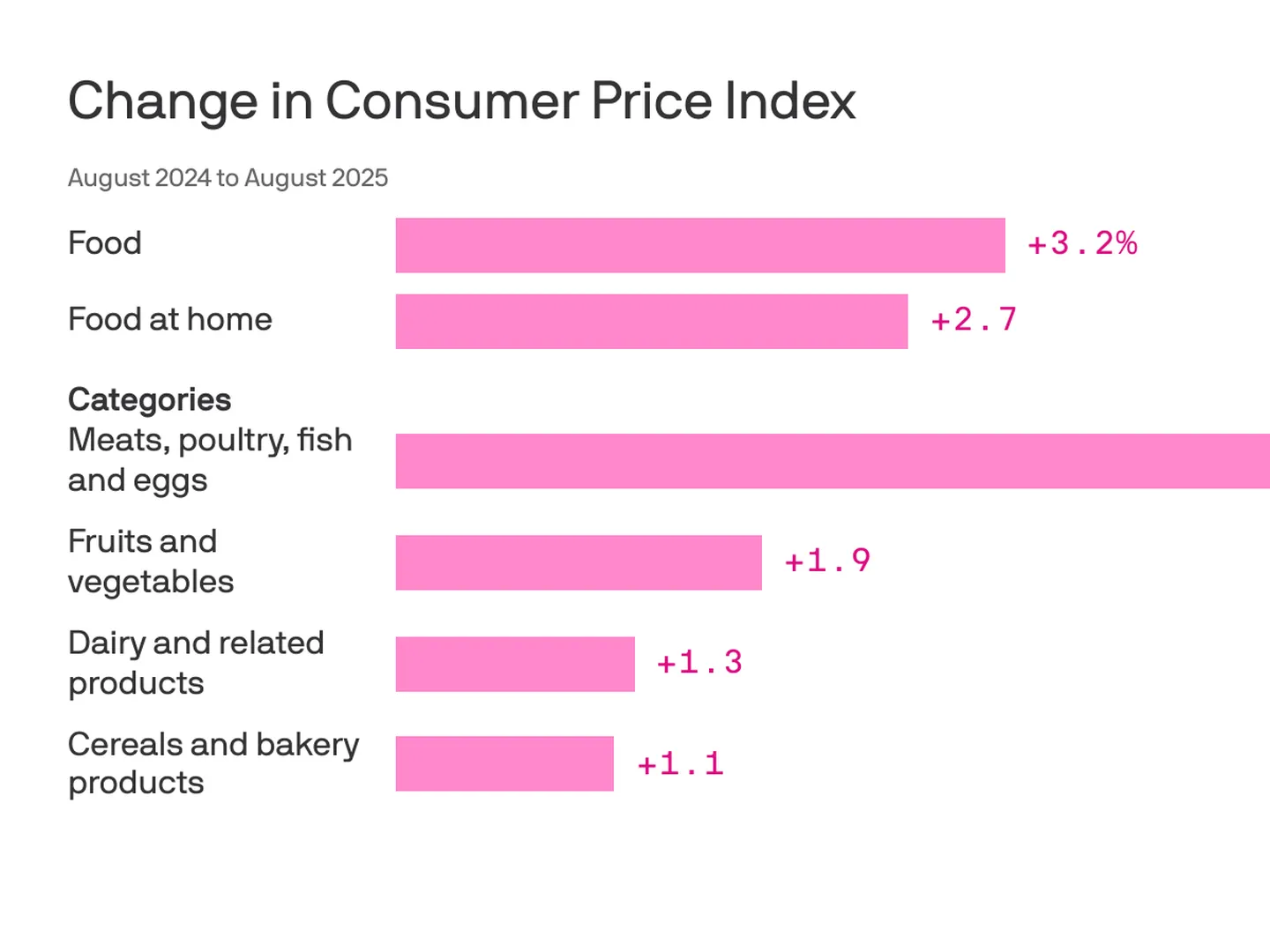
Categories Seeing the Biggest Price Changes
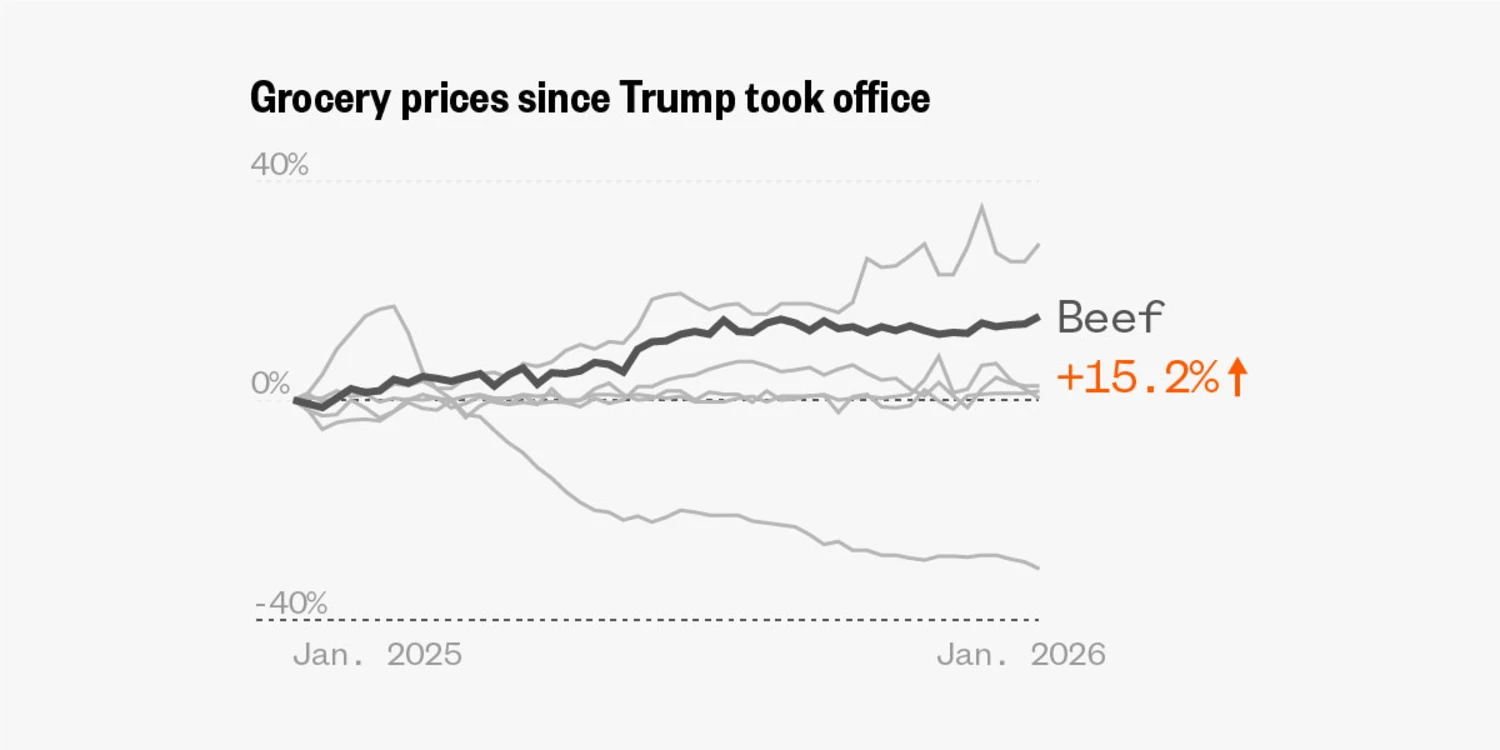
Recent trends show variation across categories:
- Meat and Poultry
Prices fluctuate based on feed costs, labor shortages, and livestock supply cycles.
- Dairy Products
Milk and cheese prices are sensitive to both domestic production and export demand.
- Produce
Weather patterns and transportation costs play a significant role.
- Packaged Goods
Manufacturers may reduce package sizes instead of raising prices — a practice known as “shrinkflation.”
The Role of Energy and Transportation
Fuel costs impact nearly every stage of food production:
- Farm equipment operation
- Processing facilities
- Refrigerated transport
- Distribution to retail stores
Even modest increases in energy prices can ripple through grocery pricing.
Are Grocery Prices Expected to Stabilize?
Economic forecasts suggest:
- Slower price growth compared to previous years
- Continued volatility in certain categories
- Regional differences depending on local supply chains
While dramatic spikes may be less likely, prices may not return to pre-inflation levels.
What Households Can Do
Consumers are adapting by:
- Switching to store brands
- Buying in bulk
- Comparing retailers
- Planning meals strategically
Budget-conscious shopping remains an important tool during periods of elevated prices.
Final Thoughts
Although inflation has moderated, grocery prices remain a key household expense. Understanding the economic drivers behind food costs helps consumers make informed decisions and adjust budgets more effectively.