Introduction
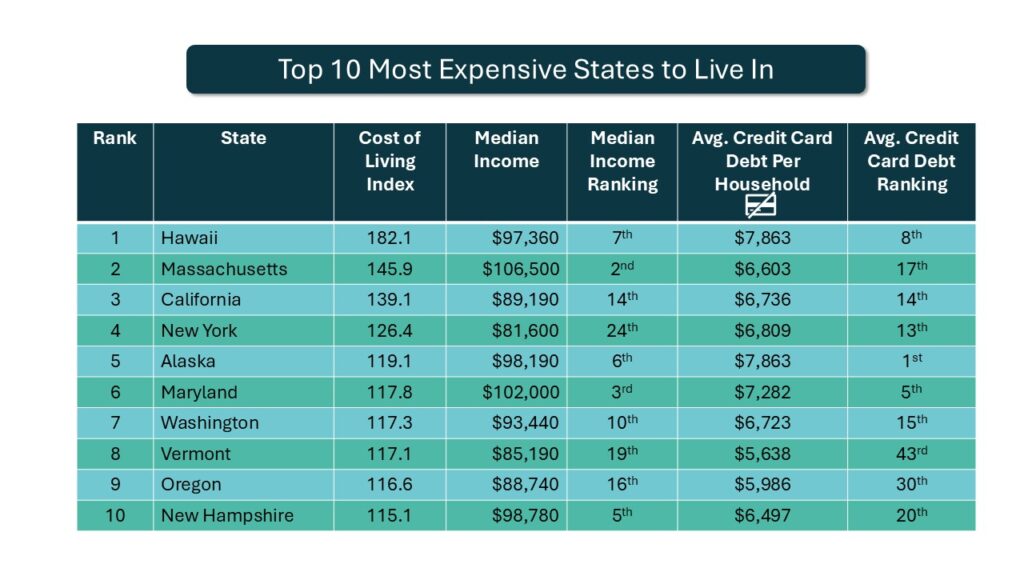
The cost of living varies significantly across U.S. states. Housing, transportation, healthcare, and taxes all contribute to regional differences.
Understanding these variations helps households make informed relocation or budgeting decisions.
Key Cost Components
Major cost-of-living factors include:
- Housing prices
- Rent levels
- Utility costs
- State income taxes
- Transportation expenses
Housing typically represents the largest share of household spending.
States With Higher Living Costs
States with high housing demand and urban density often report:
- Elevated rent
- Higher property values
- Increased insurance premiums
Urban coastal regions frequently rank among the most expensive areas.
States With Moderate or Lower Costs
Regions with lower population density may offer:
- Affordable housing
- Lower tax burdens
- Reduced transportation expenses
However, wage levels may also vary accordingly.
Migration Trends
Remote work flexibility has influenced relocation patterns.
Households often consider:
- Housing affordability
- Tax advantages
- Quality of life factors
Economic mobility continues to reshape population distribution.
Final Thoughts
Cost-of-living differences play a major role in financial planning. Evaluating both income potential and expense levels provides a clearer picture of affordability.