Introduction
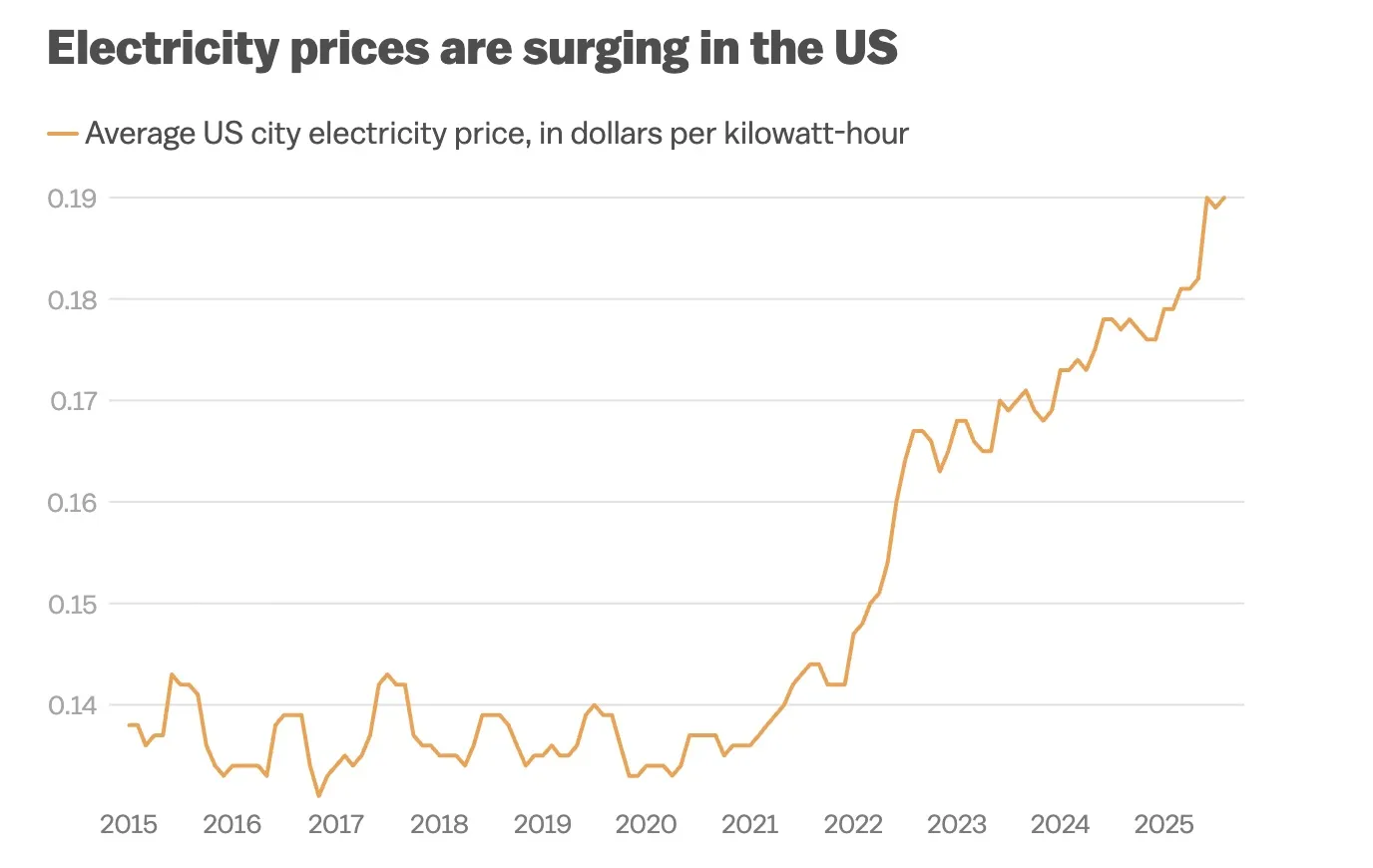
Energy prices influence nearly every aspect of household spending. Electricity bills, in particular, reflect fluctuations in fuel costs, infrastructure investments, and regulatory policies.
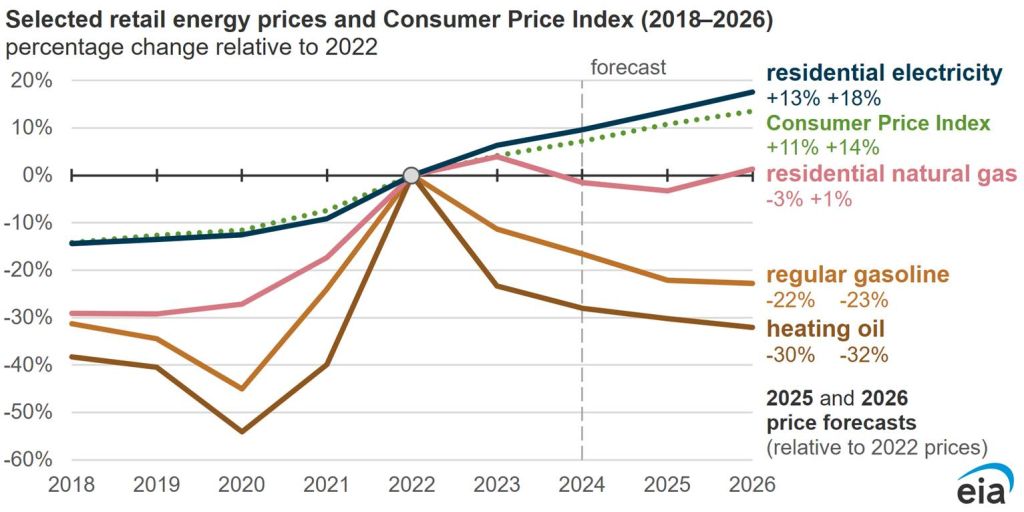
Are higher bills likely in 2026?
What Drives Electricity Prices?
Key factors include:
- Natural gas prices
- Renewable energy expansion
- Grid maintenance costs
- Regional supply-demand balance
Energy markets are interconnected, meaning global trends can influence local pricing.
Seasonal Variations
Electricity costs often increase during:
- Summer cooling demand
- Winter heating demand
Extreme weather can strain grid systems and raise costs.
Infrastructure Investments
Utilities investing in:
- Grid modernization
- Renewable integration
- Storm resilience
may pass some costs to consumers over time.
Ways Households Can Manage Energy Costs
Consumers may consider:
- Energy-efficient appliances
- Smart thermostats
- Time-of-use plans
- Home insulation upgrades
Small efficiency improvements can reduce long-term expenses.
Final Thoughts
While energy prices fluctuate, understanding the underlying drivers helps households plan for potential changes in electricity bills.