Introduction
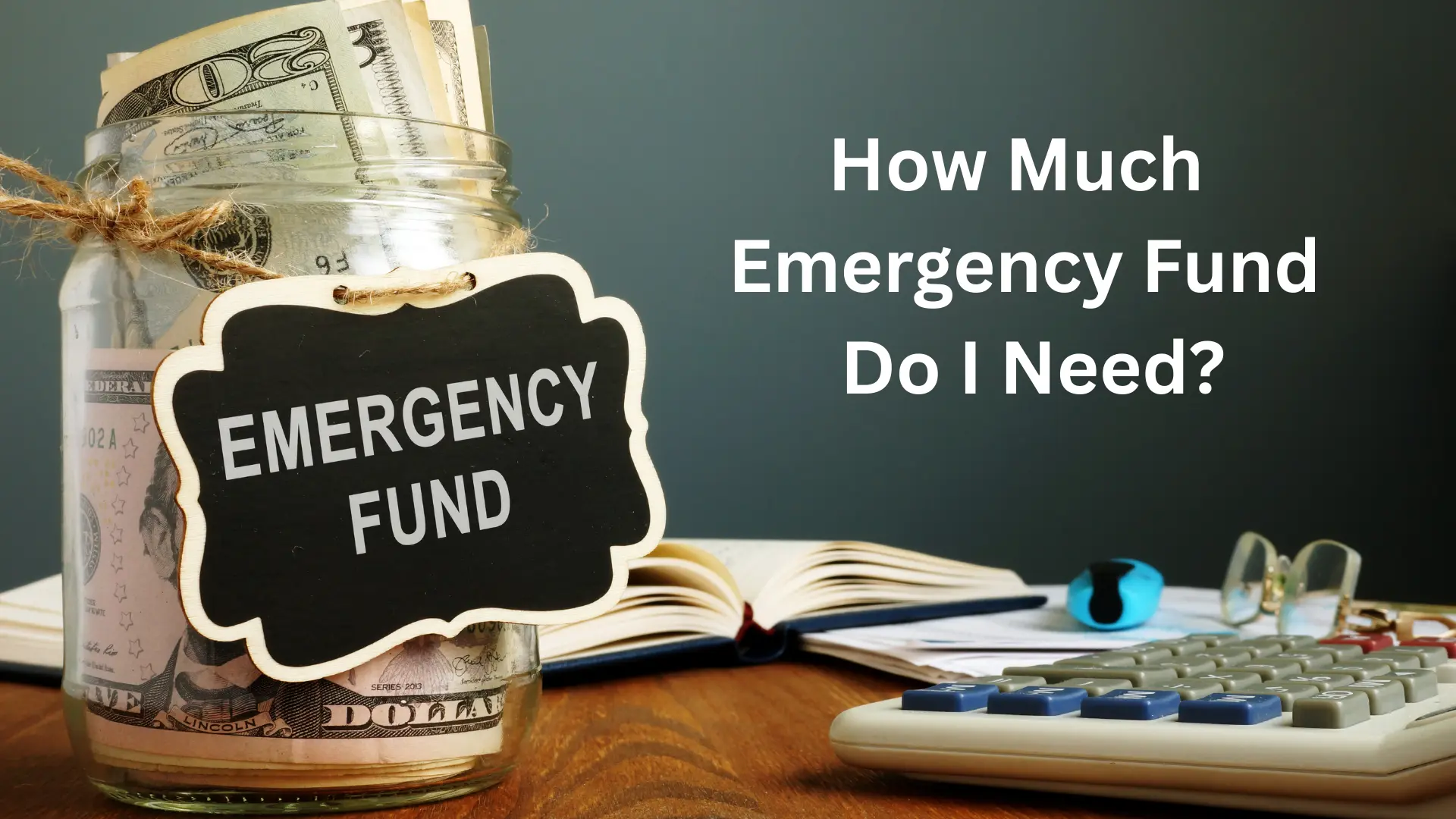
Financial uncertainty has reinforced the importance of emergency savings. Unexpected expenses — from medical bills to job loss — can disrupt even well-planned budgets.
But how much emergency savings is truly sufficient in today’s economy?
Traditional Savings Guidelines
Financial planners often recommend:
- 3 to 6 months of essential living expenses
However, personal circumstances may require adjustments.
Factors That Influence Savings Needs
Employment Stability
Freelancers or commission-based workers may require larger cushions.
Household Size
More dependents often increase baseline monthly costs.
Debt Obligations
High fixed expenses may necessitate larger reserves.
Health Considerations
Unexpected medical costs can significantly impact finances.
Where to Keep Emergency Funds
Emergency savings should prioritize:
- Liquidity
- Safety
- Accessibility
High-yield savings accounts or money market accounts are common choices.
Balancing Savings and Debt Repayment
Individuals may need to balance:
- Paying down high-interest debt
- Building emergency funds simultaneously
A moderate starting goal (e.g., one month of expenses) can be a practical first step.
Final Thoughts
Emergency savings are not one-size-fits-all. Assessing individual financial stability, risk tolerance, and monthly expenses helps determine an appropriate savings target.