Introduction
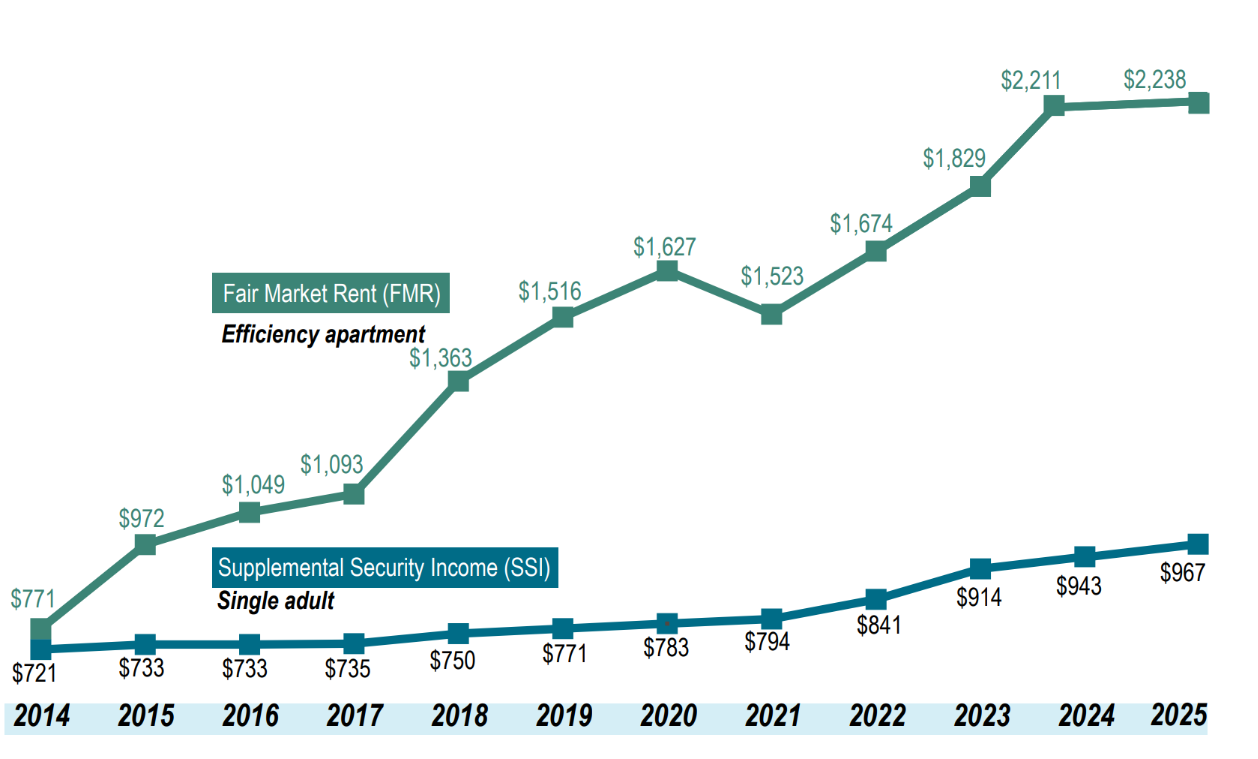
Rental costs in many urban areas have risen significantly over recent years. Housing affordability continues to challenge both renters and policymakers.
What is driving rising rent prices in 2026?
Supply and Demand Imbalances
Urban rental markets are heavily influenced by:
- Housing supply constraints
- Zoning regulations
- Construction costs
- Migration patterns
Limited new construction often keeps rental inventory tight.
Wage Growth vs. Rent Growth
In many cities:
- Rent increases outpace wage growth
- Households allocate larger portions of income to housing
This reduces discretionary spending capacity.
Investor Activity in Housing Markets
Institutional investors have increased participation in residential properties.
While investment can increase housing stock, it may also influence pricing dynamics.
The Role of Remote Work
Remote work has had mixed effects:
- Some cities see demand stabilize
- Others experience renewed interest due to urban amenities
Housing demand patterns continue evolving.
Potential Long-Term Effects
Sustained rent increases may:
- Encourage suburban migration
- Increase roommate households
- Shift urban planning strategies
Housing affordability remains central to economic mobility discussions.
Final Thoughts
Rising rent prices reflect complex economic forces. Understanding supply, demand, and migration trends provides clearer insight into evolving urban housing markets.