Introduction
Tax regulations evolve regularly, and small businesses often feel the impact first. In 2026, several updates to tax rules may influence deductions, reporting requirements, and overall tax planning strategies.
Understanding these changes can help business owners remain compliant and financially prepared.
Adjustments to Business Deductions
One key area of focus involves deductible expenses.
Common deductible categories include:
- Office expenses
- Business mileage
- Equipment purchases
- Software subscriptions
- Professional services
Changes in depreciation rules or deduction limits may affect how businesses plan capital investments.
Section 179 and Equipment Purchases
Section 179 allows businesses to deduct certain equipment purchases upfront instead of depreciating them over time.
Updates in deduction limits or phase-out thresholds can influence:
- Timing of major purchases
- Cash flow management
- Taxable income planning
Business owners often consult tax professionals to optimize equipment investment timing.
Changes in Reporting Requirements
Tax compliance increasingly relies on digital reporting systems.
Small businesses may face:
- Expanded information reporting
- Updated 1099 requirements
- Increased scrutiny of contractor classification
Accurate bookkeeping and documentation are essential.
Impact on Pass-Through Entities
Many small businesses operate as:
- LLCs
- S-Corporations
- Sole proprietorships
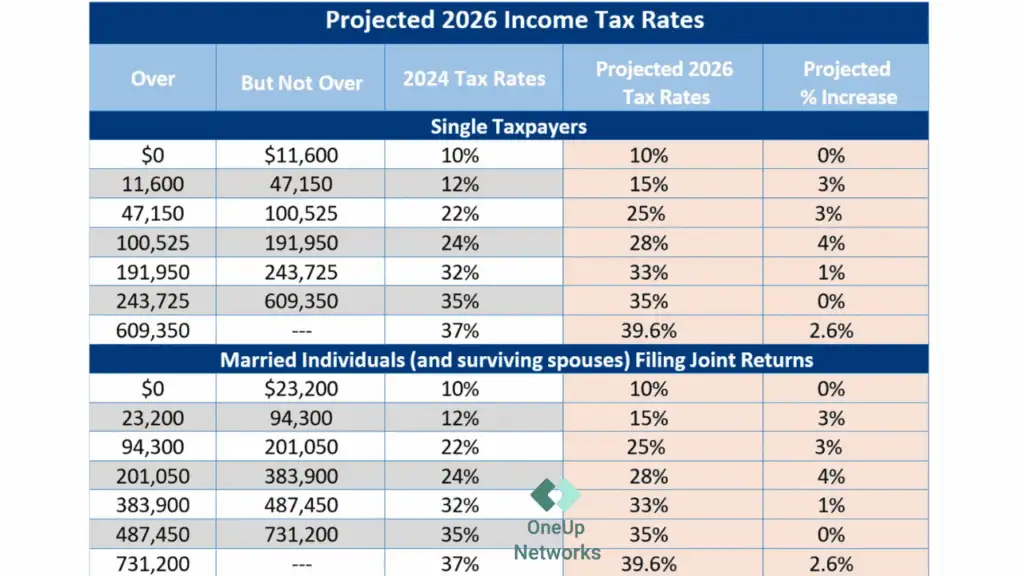
Changes to pass-through income deductions can significantly affect taxable income.
Monitoring updates to qualified business income (QBI) deductions remains important.
Payroll and Employment Tax Considerations
Wage adjustments and benefit changes can influence:
- Payroll tax calculations
- Employer contribution requirements
- Reporting thresholds
Businesses should verify compliance with both federal and state regulations.
Planning Ahead
Small business owners may consider:
- Reviewing estimated tax payments
- Updating accounting systems
- Consulting licensed tax advisors
- Monitoring IRS announcements
Proactive planning reduces unexpected tax burdens.
Final Thoughts
Tax law changes can present both challenges and opportunities. Staying informed and maintaining organized financial records ensures small businesses remain prepared in a shifting regulatory environment.