Introduction
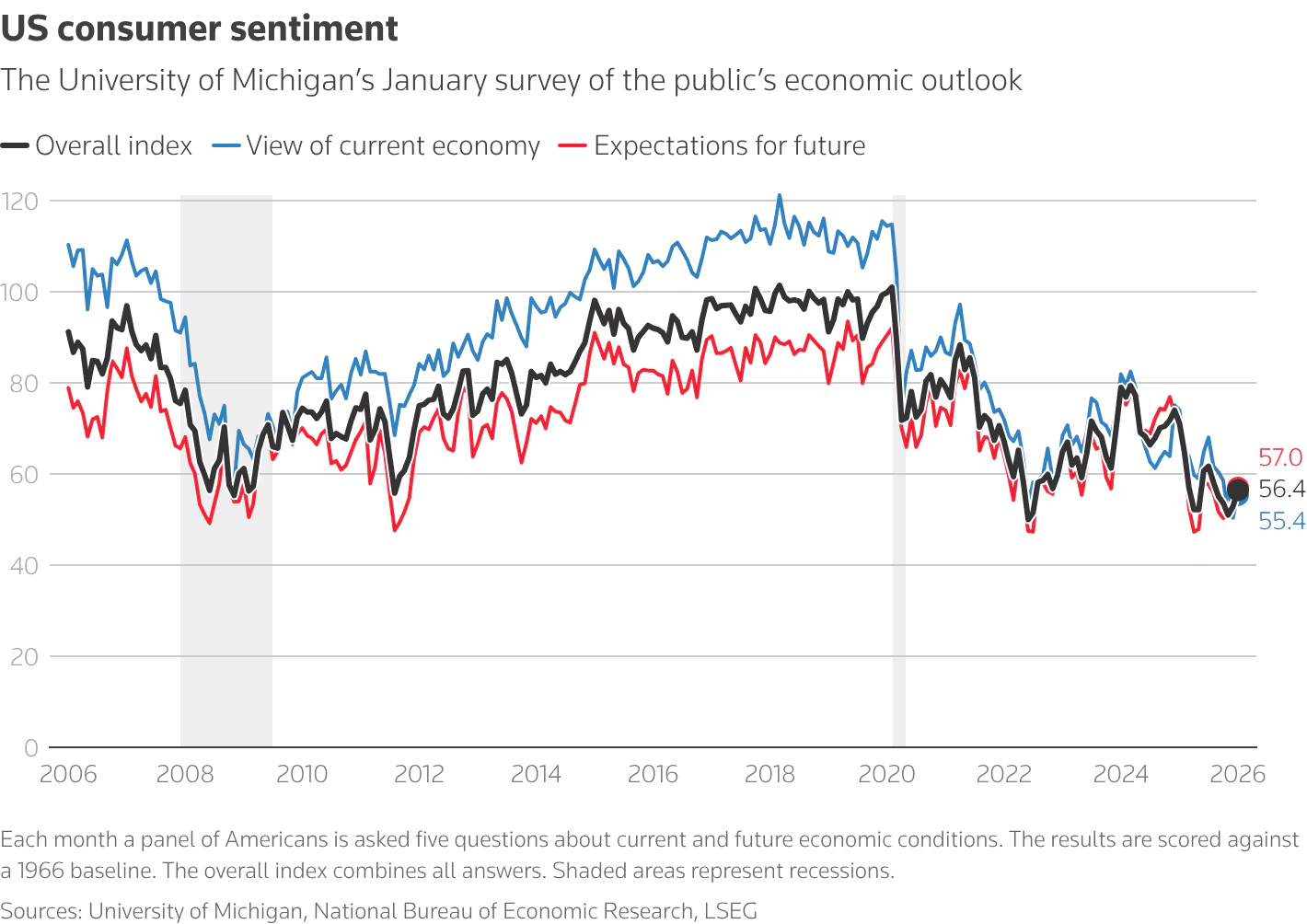
Consumer confidence reflects how optimistic households feel about their financial situation and the broader economy. This sentiment plays a major role in shaping spending behavior.
Why does consumer confidence matter in 2026?
What Consumer Confidence Measures
Confidence surveys typically assess:
- Current financial conditions
- Job security expectations
- Future economic outlook
- Planned spending behavior
Higher confidence often correlates with stronger consumer spending.
Impact on Retail and Housing
When confidence rises:
- Retail sales often increase
- Home purchases may accelerate
- Big-ticket spending improves
When confidence declines, households may postpone discretionary purchases.
Inflation and Interest Rate Influence
Confidence is sensitive to:
- Inflation trends
- Borrowing costs
- Wage growth
Stable prices and job security tend to boost optimism.
Why Policymakers Watch It
Economic policymakers monitor sentiment indicators to anticipate:
- Spending slowdowns
- Labor market shifts
- Economic momentum changes
Confidence data complements hard economic metrics like GDP and unemployment.
Final Thoughts
Consumer confidence serves as a leading indicator of economic behavior. Understanding shifts in sentiment provides insight into future spending patterns and broader economic trends.