Introduction
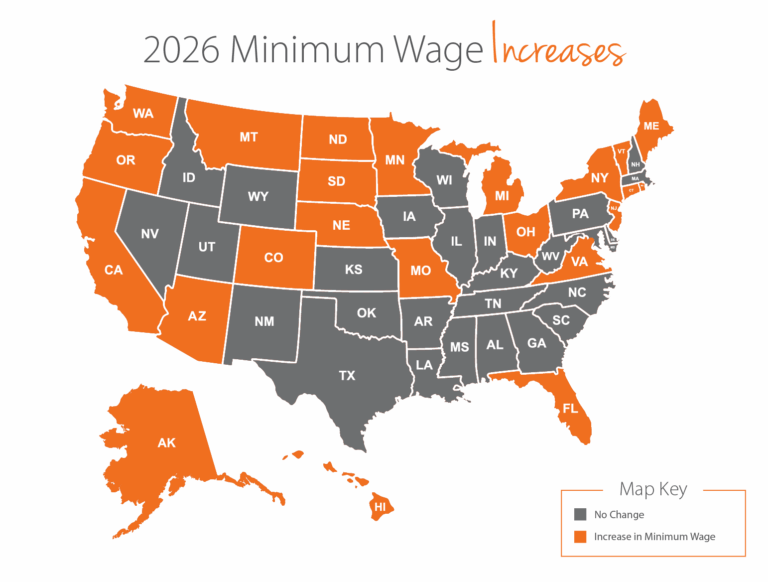
Minimum wage policies vary widely across the United States. While the federal minimum wage remains unchanged, many states and cities have implemented higher local rates.
Here’s a breakdown of what workers and employers should know in 2026.
Federal vs. State Minimum Wage
The federal minimum wage sets the baseline. However:
- States can establish higher rates
- Cities may implement local ordinances
- Employers must follow the higher applicable rate
This creates a patchwork system across the country.
Why States Adjust Minimum Wage
Common reasons include:
- Inflation adjustments
- Cost-of-living increases
- Labor market competition
- Voter-approved ballot measures
Some states now tie wage increases automatically to inflation indexes.
Impact on Workers
Higher minimum wages can:
- Increase take-home pay
- Improve household stability
- Reduce reliance on supplemental income
However, wage increases do not always fully offset rising living costs.
Impact on Businesses
Small businesses may experience:
- Higher payroll expenses
- Price adjustments for goods and services
- Operational changes
Some industries, such as hospitality and retail, feel the impact more strongly.
Regional Differences
Cost-of-living variations mean:
- Urban areas often have higher wage floors
- Rural regions may follow state-level minimums
Workers moving between states should verify local requirements.
What to Watch Going Forward
Future changes may depend on:
- Inflation trends
- Political initiatives
- Labor market conditions
Monitoring state labor department updates is essential.
Final Thoughts
Minimum wage policy continues to evolve across the United States. Both workers and employers should stay informed about local requirements to ensure compliance and financial planning.